Autism Is Not One Size Fits All: How Gender Affects Detection
75% of girls who screen positive for autism aren't identified until adolescence or adulthood.







Why are so many young girls falling through the cracks?
Let's take a look at the screening data

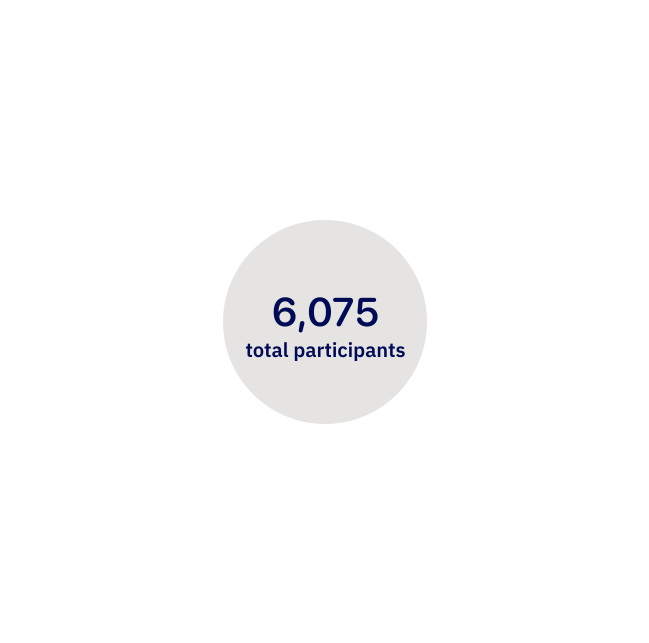
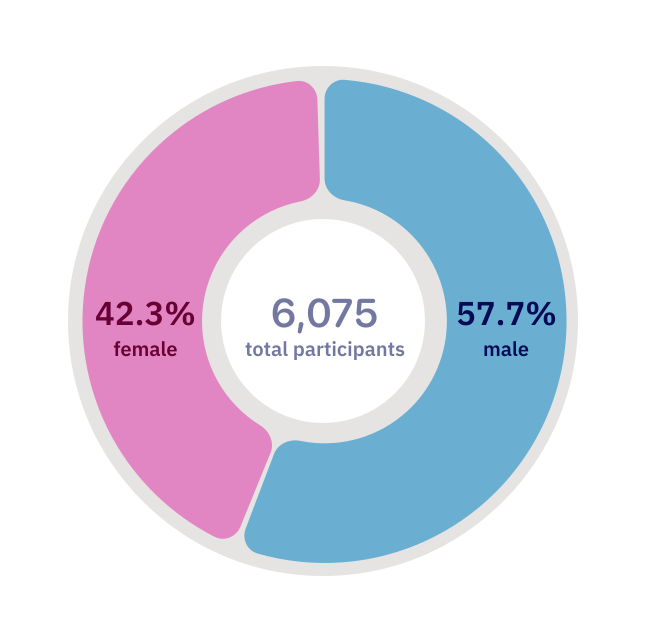
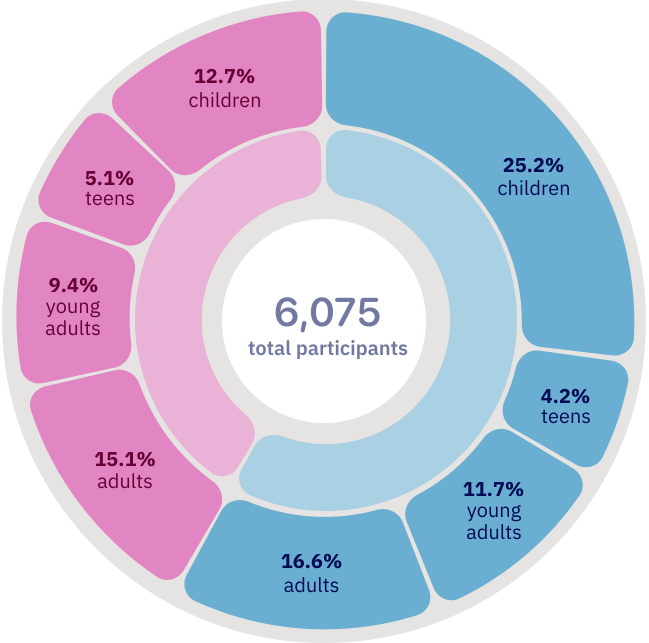
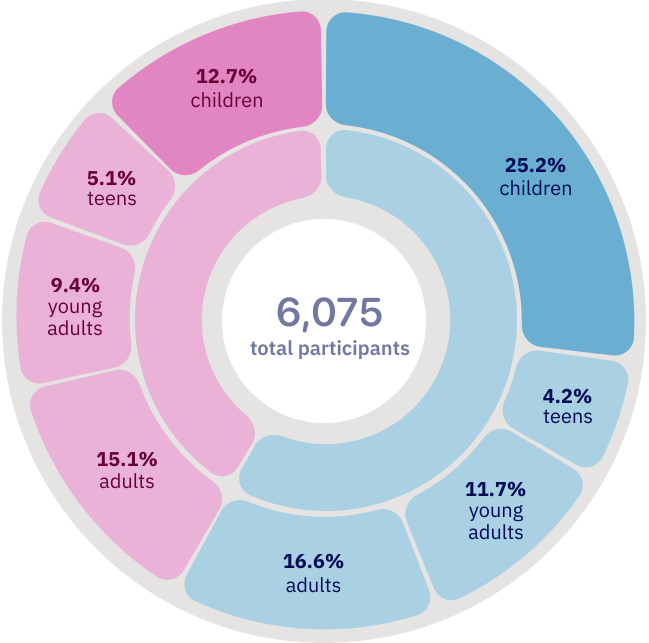
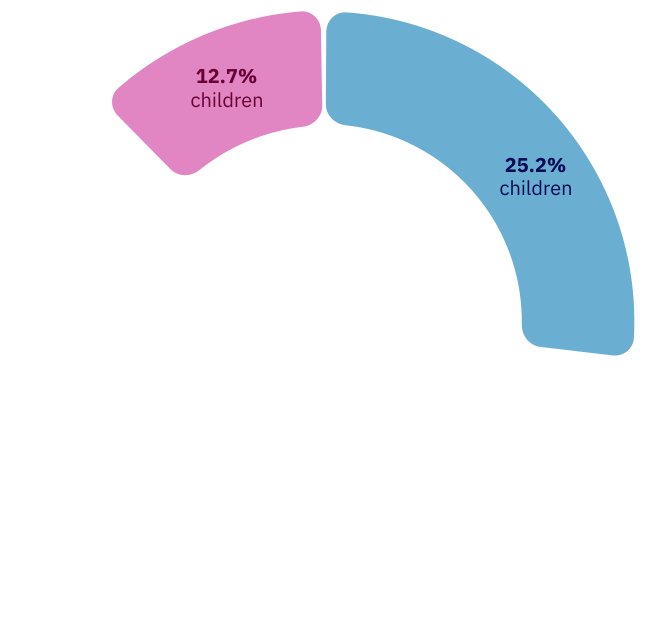
In 2025, Dr. Fayez compiled autism screening data from individuals across all ages.
This dataset helps us explore how autism is represented across males and females.
Females are often expected to be more socially engaged than males, especially in complex social environments.
These social pressures can add to the already existing challenges experienced by autistic women.
Corscadden et. al, 2021
In response to these social pressures, women with autism often engage in masking.
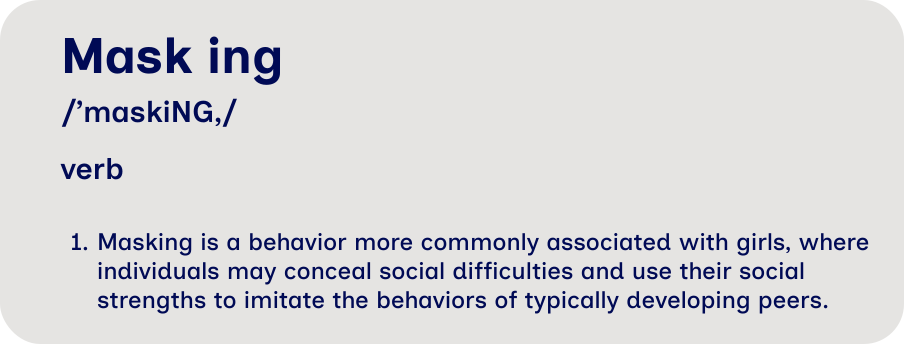
Masking can make autism in girls more difficult to detect, often delaying diagnosis.
A delayed diagnosis can postpone access to appropriate support, interventions, and resources.
Belcher et. al, 2022

So how do these differences show up across genders?
To understand how these differences appear, let's look at responses to the A1–A10 screening questions:
- A1 Does your child look at you when you call his/her name?
- A2 How easy is it for you to get eye contact with your child?
- A3 Does your child point to indicate that they want something (e.g., a toy out of reach)?
- A4 Does your child point to share interest with you (e.g., pointing at an interesting sight)?
- A5 Does your child pretend (e.g., care for dolls, talk on a toy phone)?
- A6 Does your child follow where you're looking?
- A7 If you or someone else in the family is visibly upset, does your child show signs of wanting to comfort them?
- A8 Would you describe your child's first words as typical, slightly unusual, or very unusual?
- A9 Does your child use simple gestures? (e.g. wave goodbye)
- A10 Does your child stare at nothing with no apparent purpose?
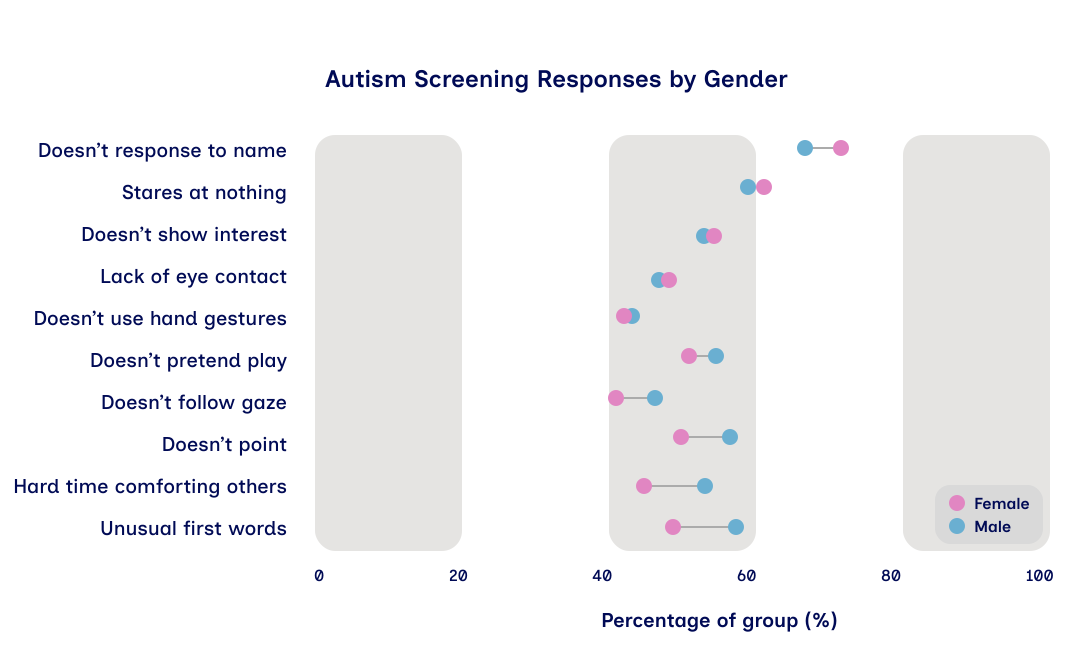
Autism traits show differently across sexes.

Differences in how autism traits appear can lead to unequal detection and delayed access to support.